
Accurately translating surgical procedure guides for UK compliance is a complex task demanding specialized medical translation services. Adhering to MDR and IVDR regulations requires precise communication, consistent terminology, and local format adherence. Reputable services with experienced medical translators, UK-specific knowledge, and robust QA processes ensure regulatory compliance and patient safety through linguistically fluent and medically precise documents.
In the dynamic landscape of healthcare, ensuring accurate and compliant communication is paramount. This article explores the intricate process of translating surgical procedure guides for UK regulatory compliance. From understanding nuanced UK medical requirements to overcoming challenges in accurately rendering complex procedures, we delve into best practices. Key topics include selecting reliable translation services, implementing robust quality assurance, and achieving effective communication that adheres to stringent UK healthcare standards, especially for critical Surgical Procedure Instructions.
- Understanding UK Regulatory Requirements for Medical Translations
- Challenges in Translating Surgical Procedure Instructions Accurately
- Choosing Reliable Translation Services for Medical Documentation
- Ensuring Quality Assurance in Medical Translation Projects
- Compliance and Clarity: Effective Communication in UK Healthcare
Understanding UK Regulatory Requirements for Medical Translations

When translating surgical procedure instructions for a UK market, it’s crucial to grasp the specific regulatory landscape. The UK has stringent medical device regulations, with the Medical Devices Regulation (MDR) and the In-Vitro Diagnostic Regulation (IVDR) setting the standard for safety and quality. These regulations demand precise and clear communication in patient-focused documents like surgical guides.
Translation services for surgical procedure instructions in the UK must not only be linguistically accurate but also conform to these regulatory requirements. This involves ensuring the translated content is easily understandable by healthcare professionals, maintaining medical terminology consistency, and adhering to local prescription formats and conventions. A thorough understanding of both the source and target languages, as well as cultural nuances, is essential to avoid potential safety hazards or non-compliance issues.
Challenges in Translating Surgical Procedure Instructions Accurately

Translating surgical procedure guides and instructions accurately for UK regulatory compliance presents several unique challenges. One of the primary difficulties lies in capturing the precise technical terminology and intricate procedural details required, often with very limited room for error. Surgical procedures are highly specialised fields, relying on consistent language and exact steps to ensure patient safety. Therefore, translation services for surgical procedure instructions in the UK demand linguists with not just fluent proficiency but also deep domain knowledge in medicine and surgery.
Another challenge is maintaining consistency throughout the translated document, especially when dealing with complex medical concepts. Terms can have different connotations or interpretations across languages, requiring careful consideration to avoid misunderstandings or miscommunications that could impact patient care. Cultural nuances and healthcare systems variations between countries further complicate matters, underscoring the critical need for professional translation services specialised in handling surgical procedure instructions accurately and reliably.
Choosing Reliable Translation Services for Medical Documentation
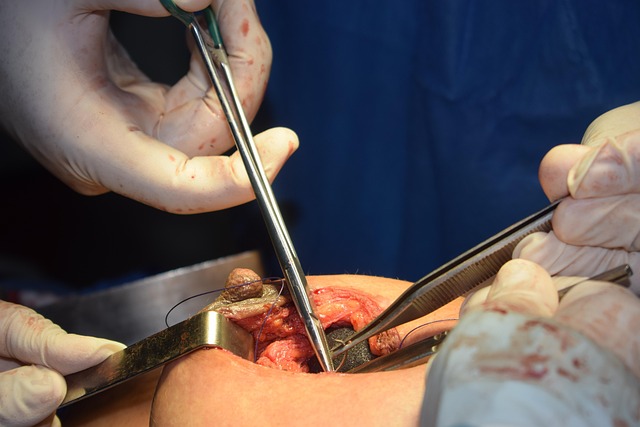
When translating medical documentation, such as surgical procedure guides, for UK regulatory compliance, selecting a reliable translation service is paramount. It’s not just about finding someone who can translate words from one language to another; it’s about ensuring accuracy, consistency, and adherence to medical terminology specific to the UK context.
Look for providers with experienced translators who specialize in medical documents. They should have a proven track record of handling surgical procedure instructions and be familiar with the latest UK regulatory requirements. Reputable translation services will employ quality assurance processes, including reviews by subject matter experts, to guarantee that the translated content is precise, comprehensive, and ready for compliance submission.
Ensuring Quality Assurance in Medical Translation Projects

Ensuring quality assurance (QA) is paramount in medical translation projects, especially when translating surgical procedure guides for UK regulatory compliance. Medical terminology is intricate and constantly evolving, necessitating highly skilled translators with expertise in both language and medicine. Translation services for Surgical Procedure Instructions UK require rigorous QA processes to maintain precision and clarity. This involves multiple rounds of review by in-house experts and often includes feedback from medical professionals to verify the accuracy of technical terms and instructions.
Advanced technologies play a significant role in enhancing QA. Using specialized software, translators can access comprehensive medical glossaries, ensuring consistency across terms. Automated translation memory tools help maintain coherence in repeated content, while machine translation post-editing ensures linguistic fluency without sacrificing medical accuracy. These methods collectively contribute to delivering high-quality translated documents that meet UK regulatory standards, making them indispensable for healthcare providers aiming to comply with local regulations while communicating critical surgical procedures effectively.
Compliance and Clarity: Effective Communication in UK Healthcare

In the UK healthcare sector, ensuring compliance with regulatory standards is paramount, and clear communication plays a pivotal role in this process. When it comes to surgical procedure instructions, precision and understanding are life-critical. Translation services for surgical procedure guides must be of the highest quality to convey complex medical information accurately across languages.
Effective translation goes beyond mere word-for-word substitution; it involves adapting content to align with cultural nuances and local healthcare practices while maintaining regulatory compliance. This ensures that healthcare professionals, regardless of their linguistic background, can confidently follow procedures, enhancing patient safety and outcomes. Clear communication bridges the gap between diverse medical teams, fostering a harmonious environment for patient care.
In conclusion, navigating the complex landscape of UK regulatory compliance for medical translations, particularly surgical procedure guides, demands meticulous attention. By understanding the unique challenges and choosing reputable translation services that prioritise quality assurance, healthcare providers can ensure clear communication vital for patient safety and regulatory adherence. Translation services specialising in Surgical Procedure Instructions UK play a crucial role in facilitating this process, ultimately enhancing patient care and reducing risks associated with inaccurate or non-compliant documentation.