
Translation services for surgical procedure instructions in the UK are vital to ensure clear communication and patient safety. Professional translators with medical expertise accurately convey complex terminology, enhancing consent and doctor-patient interactions. Challenges include language barriers, medical jargon, and cultural nuances, emphasizing the need for specialized services that meet industry standards and employ native speakers. Quality Assurance processes verify accuracy, minimizing surgical risks. These services improve patient care, reduce errors, and create a positive surgical experience through effective communication.
In the realm of healthcare, clear and precise communication is paramount, especially during surgeries. This article delves into the critical aspect of translating surgical instructions for better understanding among patients and medical professionals. With a focus on the UK, it explores challenges, from terminological precision to quality assurance, and highlights the importance of choosing the right translation services for ensuring patient safety. Understanding these factors is crucial in enhancing healthcare outcomes.
- Understanding the Importance of Accurate Translation
- Challenges in Translating Surgical Instructions
- Choosing the Right Translation Services for Healthcare
- Ensuring Medical Terminology Precision
- Quality Assurance in UK Surgical Procedure Translations
- Enhancing Patient Safety through Effective Communication
Understanding the Importance of Accurate Translation

In the medical field, clear communication is paramount, especially when it comes to surgical procedures. The accuracy of translated medical documents cannot be overstated, as it directly impacts patient safety and outcomes. When surgical instructions are accurately translated into a patient’s native language, it ensures they fully comprehend the pre- and post-operative care required. This understanding empowers patients to actively participate in their healthcare, adhering to crucial steps that can prevent complications and facilitate faster recovery.
In the UK, where multicultural populations are prevalent, translation services for surgical procedure instructions play a vital role. Professional translators with medical expertise bridge the language gap, ensuring precise communication. These services are not just about converting words from one language to another; they involve specialized knowledge to convey complex medical terminology and procedures in a culturally sensitive manner. Accurate translations enhance patient consent, enable effective doctor-patient interactions, and ultimately contribute to improved healthcare outcomes.
Challenges in Translating Surgical Instructions

The translation of surgical instructions presents unique challenges, especially when aiming for better understanding among diverse patient populations in the UK. While language is a primary barrier, medical terminology and cultural nuances also play significant roles. Professional translation services must possess a deep grasp of both the source and target languages to convey complex medical concepts accurately. Misinterpretations can lead to errors in patient care, as even minor translations may alter surgical procedures or cause patients to miss crucial information.
Additionally, maintaining clarity and consistency across lengthy surgical guides is essential. Professional translators must adapt their approach for readability while ensuring technical precision. In the UK, where healthcare systems vary between nations, localizing medical content further complicates matters. Thus, specialized translation services for surgical procedure instructions are paramount to bridging communication gaps and enhancing patient safety.
Choosing the Right Translation Services for Healthcare

When it comes to surgical procedures, clear and accurate communication is paramount. Choosing the right translation services for healthcare documents, especially in the UK, is crucial to ensure patient safety and comprehension. Look for professional translators with expertise in medical terminology who can handle complex surgical instructions.
Reputable translation companies offering services for surgical procedure instructions should adhere to industry standards and best practices. They must employ native English speakers proficient in the target language(s) to maintain grammatical correctness and cultural nuances. Additionally, they should have experience localizing content, ensuring that medical terms are appropriately translated and accessible to diverse patient populations.
Ensuring Medical Terminology Precision

When translating surgical procedure instructions, precision in medical terminology is paramount. The complexity and specificity of medical language demand meticulous attention to detail to avoid any potential misunderstanding or miscommunication. This is especially crucial for surgical guidelines, where clear communication can significantly impact patient safety and treatment outcomes.
In the UK, translation services specialising in medical documents play a vital role in ensuring accurate and culturally sensitive interpretation of surgical instructions. These professional translators are not only adept at understanding technical jargon but also possess the linguistic expertise to convey intricate medical concepts coherently in the target language. Their work helps bridge the gap between healthcare providers and patients from diverse linguistic backgrounds, fostering better care and ensuring every patient receives clear, accessible information about their surgical process.
Quality Assurance in UK Surgical Procedure Translations
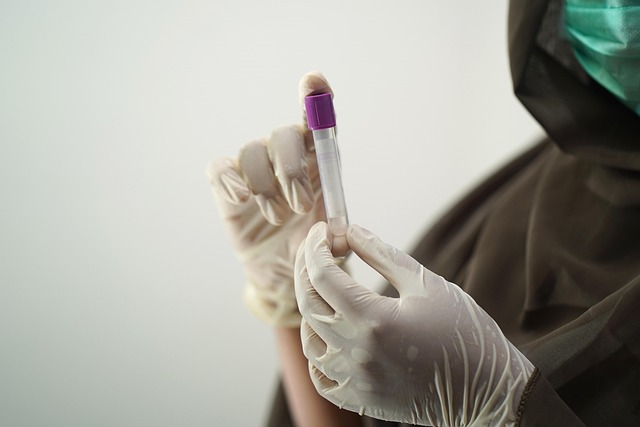
In the UK, ensuring accurate and clear communication is paramount in surgical procedures due to their high-stakes nature. Translation services for surgical procedure instructions play a pivotal role in this context, as they help bridge the gap between medical professionals and patients who may not share the same language. Quality Assurance (QA) processes are integral to these translation services, guaranteeing that every translated document adheres to stringent standards of accuracy and readability.
QA involves rigorous reviews by expert medical translators and editors, leveraging their deep knowledge of both the source and target languages and medical terminology. They meticulously check for not just grammatical correctness but also semantic precision, ensuring the translated instructions convey the exact same meaning as the original. This meticulous approach is crucial in avoiding potential risks associated with miscommunication during surgeries, thereby enhancing patient safety and outcomes.
Enhancing Patient Safety through Effective Communication

Effective communication is paramount in healthcare, especially when it comes to surgical procedures. Ensuring that patients fully understand pre- and post-operative instructions can significantly enhance patient safety. In the UK, where a diverse range of languages is spoken, translation services for surgical procedure instructions play a vital role. These services provide accurate translations, bridging the language gap between healthcare professionals and patients from different linguistic backgrounds.
By utilizing professional translation services, medical staff can guarantee that patients receive clear and concise guidance tailored to their cultural and linguistic needs. This not only improves patient comprehension but also empowers them to actively participate in their care. Effective communication reduces the risk of medical errors, ensures adherence to instructions, and fosters a more positive surgical experience for all involved.
Accurately translating surgical instructions is paramount in today’s global healthcare landscape. By choosing specialized translation services focused on healthcare, ensuring medical terminology precision, and implementing rigorous quality assurance processes, as highlighted for UK surgical procedures, we can significantly enhance patient safety and outcomes. Investing in clear communication through professional translation makes complex medical information more accessible to diverse patient populations. For those seeking reliable solutions for translating surgical procedure instructions in the UK, it’s essential to partner with experts who understand both medicine and language to ensure the best possible care for all.