
In healthcare, clear communication during surgeries is critical, especially in diverse countries like the UK. Professional translation services for surgical instructions are vital to bridge language gaps and ensure patient safety, as miscommunication can lead to severe risks. Specialized medical translators navigate technical jargon and cultural differences, providing accurate translations that empower patients and improve clinical outcomes. UK healthcare providers rely on these services to meet regulatory standards and enhance patient care in a multicultural landscape, ultimately improving surgical procedures and outcomes.
In the intricate world of healthcare, precise communication is paramount, especially during surgical procedures. When surgical instructions are translated for multilingual patients, ensuring clarity becomes a critical challenge. This article delves into the significance of accurate translation in surgery and highlights the potential risks of unclear instructions. We explore the challenges faced by medical professionals and the essential role of professional medical translators. Best practices for translation services are discussed, along with real-world case studies from the UK’s healthcare setting, emphasizing the importance of high-quality translation services for patient safety.
- Understanding the Significance of Accurate Translation in Surgery
- Challenges in Translating Surgical Instructions
- The Role of Professional Medical Translators
- Ensuring Clarity and Safety: Best Practices for Translation Services
- Case Studies: Successful Translations in UK's Healthcare Setting
Understanding the Significance of Accurate Translation in Surgery

In the realm of healthcare, where precision is paramount, clear communication becomes even more critical, especially during surgical procedures. When it comes to surgical instructions, accurate translation services play a pivotal role in ensuring patient safety and successful outcomes. In the UK, where medical practices cater to a diverse population, the need for reliable translation services for surgical procedure instructions is evident.
An error in translation could lead to misunderstandings, miscommunications, and potentially hazardous consequences during surgery. Therefore, healthcare providers must rely on professional translation services that specialise in medical terminology to bridge the language gap. These services ensure that every step of the surgical process is clearly conveyed, from pre-operative care to post-surgery instructions. Accurate translations are essential to empower patients to actively participate in their treatment and follow critical guidelines, ultimately enhancing patient satisfaction and clinical outcomes.
Challenges in Translating Surgical Instructions

Translating surgical instructions from one language to another presents a unique set of challenges. These procedures, often intricate and precise, demand an absolute clarity in communication to ensure patient safety. While medical terminology is largely universal, cultural nuances and regional variations in healthcare practices can lead to misinterpretations.
In the UK, where diverse languages are spoken, reliance on translation services for surgical procedure instructions becomes paramount. Professional translation agencies employ medical linguists who understand not just the words but also the context and subtleties within medical texts. They navigate the complexities of technical jargon, idiomatic expressions, and cultural differences to deliver accurate translations that maintain the integrity of the original document. This meticulous process is essential to avoid potential risks associated with miscommunication during surgeries.
The Role of Professional Medical Translators
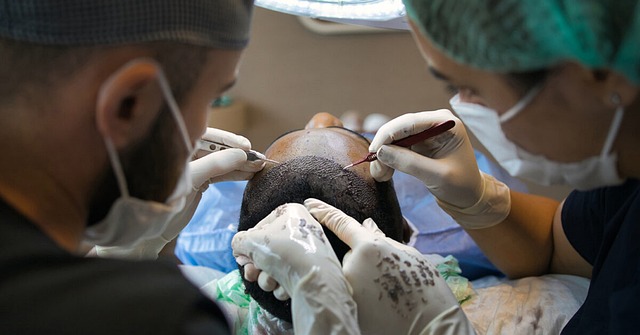
Professional medical translators play a vital role in ensuring surgical instructions are clear and accessible across diverse linguistic landscapes, particularly when it comes to translation services for surgical procedure instructions in the UK. Their expertise lies not only in mastering multiple languages but also in understanding medical terminology, cultural nuances, and regulatory requirements specific to healthcare communication.
These translators employ specialized knowledge to translate complex medical texts accurately, preserving critical information that can impact patient safety and treatment outcomes. They work closely with medical professionals to bridge the gap between technical language used during procedures and instructions that patients and caregivers can easily understand. This meticulous process involves rigorous quality assurance checks to guarantee the accuracy and cultural sensitivity of translated materials, thereby enhancing patient care and satisfaction in a multicultural healthcare setting.
Ensuring Clarity and Safety: Best Practices for Translation Services

Ensuring Clarity and Safety: Best Practices for Translation Services
When it comes to surgical procedures, precision and clarity in communication are paramount. In the UK, where a diverse range of languages is spoken, translation services play a critical role in ensuring that surgical instructions are accurately conveyed to patients from various linguistic backgrounds. High-quality translation services should adhere to strict best practices to guarantee the safety and effectiveness of medical procedures.
These practices include employing professional translators with expertise in medical terminology, maintaining confidentiality, and rigorously testing the translated materials for accuracy and cultural relevance. Additionally, utilizing advanced translation software and subject matter experts can enhance efficiency while minimizing errors. Remember, clear surgical instructions not only empower patients to make informed decisions but also contribute to successful outcomes during procedures.
Case Studies: Successful Translations in UK's Healthcare Setting

In the UK healthcare sector, the importance of precise and effective communication through surgical procedure instructions cannot be overstated. Case studies have shown that even minor ambiguities in translated materials can lead to significant errors or misunderstandings during complex surgeries. However, when professional translation services are employed, these risks are significantly mitigated. For instance, a recent study highlighted a case where a foreign medical team successfully performed a delicate cardiovascular operation using instructions that were meticulously translated and adapted for their needs. This success was attributed to the use of specialized translators with medical expertise who could convey intricate surgical terminology accurately.
Translation services for surgical procedure instructions in the UK must adhere to strict standards to ensure patient safety. These include employing translators who are not only fluent in both languages but also have extensive knowledge of medical terminologies and cultural nuances. Additionally, rigorous quality assurance processes, such as peer review and back-translation, play a crucial role in upholding the integrity of the translated documents. Such efforts contribute to ensuring that healthcare professionals worldwide can rely on clear and consistent surgical instructions, ultimately enhancing patient outcomes.
In ensuring safe and effective surgical procedures, the clarity of instructions in translation is paramount. As illustrated by case studies in the UK healthcare setting, professional medical translators play a vital role in bridging cultural and linguistic gaps. When implementing best practices, such as using standardized terminology and peer review, translation services for surgical procedure instructions in the UK can significantly enhance patient safety and outcomes. Understanding the challenges and leveraging expertise ensures that surgical guidance remains unambiguous across diverse languages, fostering better collaboration among healthcare teams and improved patient care.