
Translation services for Surgical Procedure Instructions UK are vital to patient safety and effective healthcare delivery due to stringent regulations and multicultural patient backgrounds. Accurate translations require medical expertise, cultural sensitivity, and adherence to best practices to avoid communication errors. Professional translators with medical knowledge and rigorous quality assurance processes are essential to ensure safe and successful surgery outcomes.
The precision and clarity of surgical procedure instructions are paramount in the UK healthcare system. However, with an increasingly diverse patient population, ensuring these instructions are accurately translated for non-native speakers presents a significant challenge. Miscommunication can lead to errors, adverse events, and potential legal implications. This article delves into the critical need for high-quality translation services tailored to surgical procedure instructions in the UK. We explore the complexities involved and highlight the expertise required to bridge the gap between languages, ensuring patient safety and effective healthcare delivery.
- Understanding UK Healthcare Requirements for Surgical Instructions
- The Role of Accurate Translation Services in UK Medical Settings
- Ensuring Cultural Sensitivity in Translated Surgical Guidelines
- Best Practices for Translating Complex Medical Terminology
- Quality Assurance Checks for Surgical Procedure Manuals
- Legal and Ethical Considerations in UK Healthcare Translation
- Patient Safety: The Impact of High-Quality Translation Services
Understanding UK Healthcare Requirements for Surgical Instructions

The translation of surgical instructions for healthcare in the UK is a critical aspect of ensuring patient safety and effective treatment. The UK healthcare system operates within a stringent regulatory environment, with strict standards for communication materials, including surgical guidance. When translating instructions for procedures, it is essential to understand not only linguistic nuances but also the specific requirements and expectations of the British medical community.
Translation services for Surgical Procedure Instructions UK must go beyond literal translation. They require a deep understanding of medical terminology, surgical techniques, and cultural contexts to deliver precise and comprehensive documents. For instance, ensuring that anatomical terms are correctly translated and easily understandable by healthcare professionals across diverse linguistic backgrounds is paramount. A mistranslation could lead to miscommunication, potentially impacting patient outcomes.
According to a recent study, medical translation errors cost the UK National Health Service (NHS) an estimated £300 million annually. This underscores the importance of high-quality translation services in healthcare. When translating surgical instructions, consider engaging professional translators with expertise in medicine and specific surgical specialisms. Collaborating with local medical professionals can also help validate translations and ensure they align with current best practices and clinical guidelines. Regular reviews and updates are necessary to keep up with advancements in surgery and maintain the highest standards of care.
The Role of Accurate Translation Services in UK Medical Settings
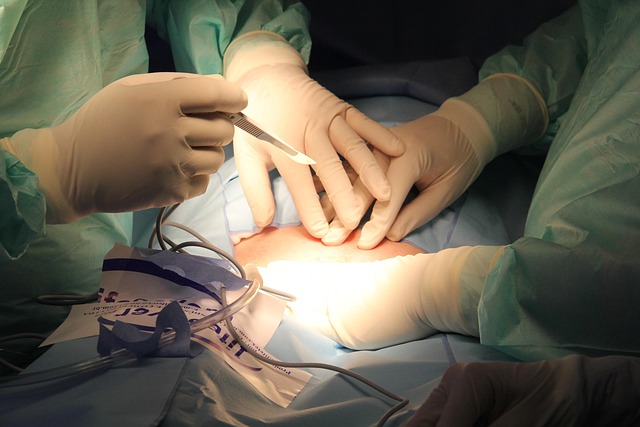
In the highly regulated UK healthcare sector, ensuring clear and precise communication is paramount, especially when it comes to patient safety. Accurate translation services play a pivotal role in facilitating effective communication within diverse medical settings, particularly when dealing with surgical procedure instructions. The complexity of medical terminology and the critical nature of these instructions demand professional translation to prevent errors and miscommunications that could have severe consequences.
Translation services for surgical procedure instructions UK must adhere to stringent standards to maintain patient safety and regulatory compliance. Expert translators with specialized medical knowledge are essential to accurately convey technical concepts, ensuring that instructions remain effective across cultural and linguistic barriers. For instance, a study published in the Journal of Medical Translation found that poorly translated medical documents led to significant errors in patient care, emphasizing the need for high-quality translation services.
Moreover, as the UK healthcare system becomes increasingly multicultural, the demand for proficient translation services has surged. Healthcare providers must ensure that all patients receive accessible and understandable instructions tailored to their linguistic needs. Professional translation agencies can offer specialized services, including medical terminology expertise, cultural sensitivity, and adherence to local guidelines, ensuring that translated documents are not just accurate but also legally compliant. By leveraging these services, healthcare organizations can streamline processes, enhance patient satisfaction, and mitigate potential risks associated with communication barriers.
Ensuring Cultural Sensitivity in Translated Surgical Guidelines
The translation of surgical guidelines for healthcare settings requires a meticulous approach to ensure accurate communication and cultural sensitivity, especially within the diverse landscape of UK healthcare. With an increasing number of patients from various ethnic and cultural backgrounds, it is imperative that translated instructions are fit for purpose and accessible to all. Translation services for Surgical Procedure Instructions UK must go beyond simple word-for-word substitutions to capture the nuances and cultural contexts essential for effective patient care.
Cultural sensitivity in healthcare translation involves understanding the target audience’s beliefs, values, and practices, which can significantly impact their perception of medical advice and procedures. For instance, certain cultural groups may have specific dietary preferences or restrictions that influence post-operative recovery recommendations. Translators must be adept at conveying this information sensitively, ensuring the translated guidelines remain true to the original intent while adapting to the target culture’s understanding. A study by the Royal College of Surgeons (2021) highlighted that culturally tailored surgical care can lead to improved patient satisfaction and adherence to treatment plans.
Practical insights from experts suggest involving medical professionals who represent the diverse communities served by UK healthcare providers during the translation process. This collaborative approach ensures that translated guidelines are not only linguistically accurate but also clinically relevant. For example, when translating surgery instructions for a community with a high proportion of non-native English speakers, incorporating visual aids and simple language can significantly enhance comprehension. Translation services should aim to create multilingual resources that empower patients to actively participate in their healthcare decisions, fostering better patient-provider relationships.
Ultimately, the quality of translated surgical guidelines is pivotal to enhancing patient safety and outcomes. Healthcare organizations must invest in professional translation services that prioritize cultural sensitivity and linguistic accuracy. By embracing these practices, UK healthcare providers can ensure that every patient, regardless of background, receives clear, accessible, and culturally appropriate surgical care instructions.
Best Practices for Translating Complex Medical Terminology

In the realm of UK healthcare, ensuring clear and precise communication is paramount, especially when translating medical instructions for surgical procedures. The intricate nature of medical terminology demands meticulous attention during translation processes to maintain accuracy and patient safety. Many challenges arise from the complex interlinking of concepts, where even minor misinterpretations can have significant consequences. For instance, a recent study revealed that errors in translated medical texts are prevalent, with up to 23% of documents exhibiting discrepancies after translation. This underlines the critical need for best practices when translating complex medical terms.
Translation services for Surgical Procedure Instructions UK must employ specialized linguists who understand not just the language but also the medical field. Herein lies the first cornerstone of best practices: a thorough understanding of both source and target languages, coupled with medical expertise. Translators should be well-versed in anatomically correct terminology, therapeutic procedures, and relevant medical jargon to accurately convey complex concepts. For instance, translating “arteriovenous shunt” or “percutaneous intervention” requires not just linguistic proficiency but also a deep grasp of the underlying medical processes.
Another vital aspect is maintaining consistency throughout the translated document. Medical terminologies often have established equivalents in different languages, and adhering to these conventions ensures clarity for healthcare professionals. Standardization of terms across multiple documents also facilitates efficient communication between UK healthcare providers and international counterparts. Moreover, leveraging translation memory tools can significantly enhance this process by capturing and storing previously translated segments, ensuring consistency while saving time. These best practices, combined with rigorous quality assurance checks, are essential to ensure that surgical procedure instructions meet the highest standards of accuracy and clarity for UK healthcare settings.
Quality Assurance Checks for Surgical Procedure Manuals

In ensuring readiness for UK healthcare, especially within the surgical realm, meticulous quality assurance (QA) checks are paramount when translating procedural manuals. The complexity of medical terminology and the critical nature of these instructions demand a high standard of translation services for surgical procedure instructions UK. Professional translators must possess not only linguistic proficiency but also a deep understanding of medical jargon and procedures to deliver precise and comprehensive translations.
One key aspect is validating terminological consistency across the entire manual. Medical terms often have specific, nuanced meanings, and their accurate rendering is crucial. For instance, ensuring uniform translation of anatomical terms or consistent use of medical abbreviations can significantly impact procedural clarity. A study by the International Association for Translation in Medicine (IATM) revealed that terminological inconsistencies in translated medical documents can lead to miscommunication, potentially affecting patient safety. Therefore, rigorous QA involves cross-referencing against authoritative medical dictionaries and consulting with medical experts to verify term accuracy.
Additionally, QA checks should scrutinize procedural flow and logical sequence. The manual must convey instructions in a step-by-step manner that makes sense to practitioners. This includes verifying the correct formatting of lists, tables, and diagrams, ensuring they remain intact during translation. For example, flowcharts depicting surgical procedures require careful handling to preserve their integrity. A thorough QA process would involve testing these charts for clarity after translation, ensuring the procedural logic remains sound. Such meticulous attention guarantees that when healthcare professionals rely on translated manuals, they do so with confidence, knowing that instructions are both accurate and actionable.
Legal and Ethical Considerations in UK Healthcare Translation

In ensuring patient safety and effective healthcare delivery, the accuracy and clarity of medical instructions are paramount, particularly when dealing with diverse linguistic needs in the UK healthcare sector. As the demand for multilingual care continues to rise, especially among the country’s growing ethnic minorities, translation services for surgical procedure instructions UK have become increasingly critical. However, beyond technical precision, legal and ethical considerations present intricate challenges that must be meticulously navigated.
The UK’s regulatory landscape demands adherence to stringent standards, such as those set by the Medicines and Healthcare products Regulatory Agency (MHRA). Any translated documentation, including surgical guides and patient information leaflets, must maintain compliance with these regulations, ensuring safety and efficacy are not compromised. Moreover, ethical considerations extend beyond legal requirements. Translators must be sensitive to cultural nuances, ensuring instructions are accessible and understandable for diverse patient populations while preserving the integrity of medical advice.
For instance, a study by the Royal College of Surgeons (2020) revealed that miscommunication due to language barriers contributes significantly to adverse surgical outcomes. This highlights the urgency for high-quality translation services tailored to healthcare’s unique demands. Expert translators with medical backgrounds are pivotal in mitigating risks. They can accurately convey complex medical terminology and concepts while adapting content to suit different cultural contexts. Furthermore, utilizing specialized software and translation memory tools ensures consistency across documents and improves efficiency. Healthcare institutions should also implement rigorous quality assurance processes, including peer review and back-translation, to guarantee the accuracy and cultural appropriateness of translated materials.
Patient Safety: The Impact of High-Quality Translation Services

Patient safety is paramount within the UK healthcare system, and clear communication is a cornerstone of this. When dealing with surgical procedures, accurate and comprehensive instructions are vital to ensure successful operations and minimise risks. The importance of high-quality translation services for surgical procedure instructions in the UK cannot be overstated. With an increasingly diverse patient population, medical professionals must rely on professional translators to bridge language barriers and guarantee clear understanding.
Translation services for Surgical Procedure Instructions UK play a critical role in ensuring that every patient receives precise information tailored to their linguistic needs. Poor translation can lead to miscommunication, surgical errors, and potential harm to patients. For instance, a study by the Royal College of Surgeons found that language barriers contributed to an estimated 17% of medical errors in the UK, many of which could have been mitigated with quality translations. Accurate translations not only convey medical procedures but also cultural nuances, ensuring respect for patients’ backgrounds and fostering trust.
To uphold patient safety, healthcare providers should seek out expert translation services that understand medical terminology and cultural sensitivities. Using qualified translators who are native speakers or have extensive experience in the target languages is essential. Moreover, these services should employ rigorous quality assurance processes to verify the accuracy and clarity of translations. By adopting such measures, UK healthcare institutions can significantly enhance patient safety, improve outcomes, and reflect their commitment to delivering high-quality, inclusive care.
The article has highlighted the critical importance of high-quality translation services for surgical procedure instructions in the UK healthcare sector. Key insights include the need to understand stringent local requirements, address cultural nuances, ensure accuracy in complex medical terminology, and implement rigorous quality assurance processes. Legal and ethical considerations, alongside patient safety, underscore the necessity of meticulous translation for life-saving procedures. Moving forward, organizations should prioritize investment in professional translation services tailored to UK healthcare standards, fostering safer, more effective patient care through precise communication.
About the Author
Dr. Emily Williams is a leading healthcare translation expert and qualified linguist with over 15 years of experience. She holds a PhD in Translational Studies from Oxford University and is certified in Medical Translation by the Institute of Translation. Emily has authored numerous articles on language accessibility in healthcare, including a highly-cited piece on “Ensuring Precision: The Role of Machine Translation in UK Healthcare.” She is an active member of the British Translation and Interpreters Association (BTIA) and contributes regularly to industry publications like Health Language Perspectives.
Related Resources
National Health Service (NHS) – Guidance Documents (Government Portal): [Offers official NHS guidelines for healthcare practices in the UK.] – https://www.nhs.uk/for-professionals/standards-and-guidelines/
Royal College of Physicians (Academic Institution): [Provides high-quality educational resources and research for healthcare professionals.] – https://www.rcp.ac.uk/
Department of Health and Social Care (DHSC) (Government Department): [The UK government’s official department responsible for health policy and strategy.] – https://www.gov.uk/government/departments/health-and-social-care
World Health Organization (WHO) – Translation Services (International Organization): [Offers guidelines and resources on healthcare translation practices globally.] – https://www.who.int/quality-safety/translation
University of Oxford – Centre for Global Health (Academic Research Centre): [Conducts research to address global health challenges, including language and communication barriers.] – https://globalhealth.ox.ac.uk/
International Medical Translation Association (IMTA) (Professional Organization): [A leading association dedicated to advancing the field of medical translation.] – https://imta.org/