Accurate translation of surgical procedures in the UK is vital for patient safety and effective communication due to its multicultural landscape. Specialized services employ qualified medical translators to ensure cultural sensitivity, precise terminology, and compliance with GMC regulations. Quality Assurance processes guarantee high standards. Visual aids enhance understanding. Technology streamlines translations, minimizing errors and enabling real-time updates. Choosing reputable providers ensures clear instructions for diverse patient populations, improving healthcare outcomes.
Effective communication is paramount in surgery, especially when translating intricate instructions. This article explores the critical aspects of ensuring clear communication in surgical instruction translations, focusing on the UK’s stringent requirements. We delve into language barriers in operating rooms and highlight the significance of accurate translation services. From quality assurance to cultural sensitivity, we provide insights on patient safety, expertise in surgical terminology, and the role of technology, offering a comprehensive guide for healthcare professionals seeking reliable Translation Services for Surgical Procedure Instructions UK.
- Accurate Translation: Key to Safe Surgery
- Language Barriers in Operating Rooms
- UK's Surgical Instruction Requirements
- Quality Assurance in Medical Translation
- Patient Safety Through Clear Communication
- Choosing Right Translation Services
- Expertise in Surgical Terminology
- Cultural Sensitivity in Healthcare
- Standardization of Medical Instructions
- Role of Technology in Translation
Accurate Translation: Key to Safe Surgery

Accurate translation is paramount in surgical instruction translations, as it directly impacts patient safety. When translating surgical procedure instructions, every word and phrase must be conveyed precisely to avoid misunderstandings or miscommunications that could lead to errors during surgery. This is especially crucial in the UK, where diverse linguistic backgrounds require specialized translation services.
Translation services for surgical procedure instructions must employ qualified linguists with medical expertise to ensure not just grammatical correctness but also cultural sensitivity. The goal is to convey complex medical terminology accurately without losing clarity or adding unnecessary complexity. Effective communication ensures that surgeons, nurses, and patients are all on the same page, promoting safer surgical outcomes.
Language Barriers in Operating Rooms

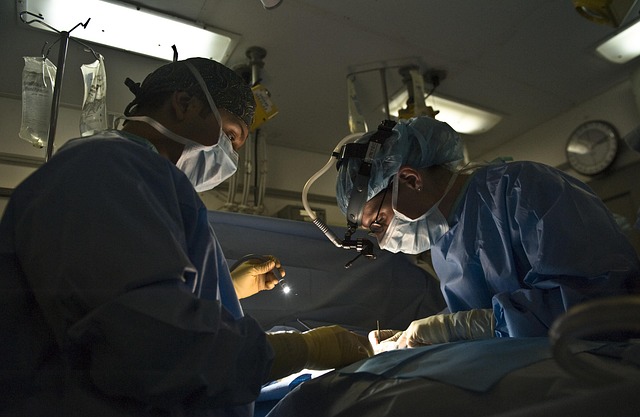
Language barriers can pose significant challenges in operating rooms (ORs), where clear and precise communication is paramount. When patients or healthcare staff speak different languages, ensuring effective communication during surgeries becomes crucial. Misunderstandings can lead to critical errors, compromising patient safety and the overall surgical outcome. In the UK, where multiculturalism is a reality, translation services for surgical procedure instructions play an indispensable role in bridging this gap.
These specialized translation services provide accurate interpretations of complex medical terminology, ensuring that all parties involved—surgeons, nurses, anesthetists, and patients—comprehend the procedures equally. With skilled translators, healthcare professionals can convey critical information about pre-operative care, post-operative instructions, potential risks, and recovery processes in the patient’s native language. This not only enhances communication but also fosters trust and ensures informed consent during surgical interactions.
UK's Surgical Instruction Requirements

In the UK, clear and precise communication is paramount in surgical instruction translations. The country has stringent regulations regarding medical documentation, including surgical procedure instructions. Healthcare providers must adhere to strict guidelines when translating these instructions to ensure patient safety and understanding. Translation services for surgical procedure instructions in the UK are required to meet specific standards set by bodies like the General Medical Council (GMC). These services not only translate but also adapt content to align with local medical terminology, cultural nuances, and legal requirements, guaranteeing that the translated instructions remain accurate and easily comprehensible for healthcare professionals and patients alike.
Quality Assurance in Medical Translation

Maintaining clear and accurate communication is paramount in medical translations, especially for surgical procedure instructions. This is where Quality Assurance (QA) plays a vital role in ensuring that translation services for surgical procedures in the UK meet the highest standards. QA processes involve rigorous reviews and editing to verify the translation’s precision and readability, reflecting the original intent of the document.
For surgical instructions, this might include meticulous attention to detail, especially when explaining complex steps or detailing potential risks and side effects. Specialized medical translators, equipped with expertise in anatomy, physiology, and surgical terminology, are essential to achieving this. Their knowledge enables them to convey intricate information concisely and comprehensibly, fostering patient safety and understanding during often-stressful procedures.
Patient Safety Through Clear Communication

Patient safety is paramount in healthcare, and clear communication plays a pivotal role in achieving successful surgical outcomes. When it comes to surgical procedure instructions, precision and understanding are critical. Translation services for Surgical Procedure Instructions UK should be viewed as an essential tool to bridge the gap between medical professionals and patients from diverse linguistic backgrounds.
Accurate translations ensure that patients fully comprehend their pre- and post-operative care, reducing the risk of errors or missteps during surgery. Effective communication fosters trust between healthcare providers and patients, encouraging adherence to instructions, which can significantly impact recovery times and overall health outcomes.
Choosing Right Translation Services

When it comes to surgical instruction translations, selecting the right service is paramount to ensure clear communication and patient safety. In the UK, where medical terminology can be highly specialised, professional translation services with expertise in healthcare are essential. Look for providers who employ native-speaking translators with solid medical backgrounds, as this guarantees accurate and culturally sensitive interpretations.
Consider those offering not just language proficiency but also an understanding of surgical procedures. Such specialists can handle complex medical jargon, ensuring precise translations that convey critical information without ambiguity. Reputable translation services catering to the UK market will adhere to strict quality standards, including adherence to medical terminology guidelines and confidentiality agreements, thereby fostering trust among healthcare providers and patients alike.
Expertise in Surgical Terminology

Accurate translation of surgical procedure instructions is paramount, especially in a multicultural healthcare setting. It demands expertise in both languages and medical terminology. Professionals providing Translation services for Surgical Procedure Instructions UK should have an in-depth understanding of medical jargon to convey complex procedures clearly. This involves mastering specialized terms related to anatomy, pharmacology, and surgery to ensure precise communication.
A skilled translator must be able to differentiate between subtle nuances in language, especially when translating medical texts. They should possess the knowledge to convey surgical instructions accurately, avoiding any potential ambiguities that could impact patient safety.
Cultural Sensitivity in Healthcare
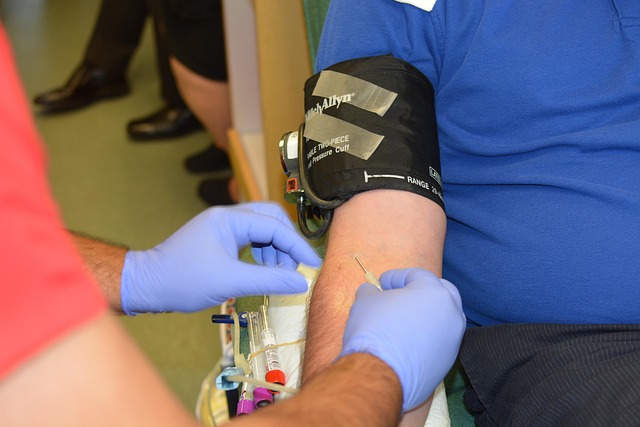
In the healthcare sector, cultural sensitivity is paramount, especially when it comes to surgical instruction translations. With a diverse range of patients from various ethnic and linguistic backgrounds in the UK, translation services for surgical procedure instructions must be precise yet culturally adaptable. Professional translators with medical expertise are essential to ensure that complex procedures are accurately conveyed while respecting each patient’s unique cultural context.
Cultural nuances play a significant role in how medical information is understood and received. For instance, certain terms or concepts might carry different connotations across cultures, requiring translators to be adept at finding equivalent expressions. Moreover, visual aids and illustrations can significantly enhance understanding, especially for patients who may have limited literacy in the language used during their initial care. Translation services that integrate these cultural considerations into their processes contribute to effective communication, fostering trust and positive patient experiences within the healthcare system.
Standardization of Medical Instructions

In the realm of surgical care, clear communication is paramount, especially when it comes to instruction translations. Standardization of medical instructions plays a crucial role in ensuring that patients from diverse linguistic backgrounds understand and adhere to post-operative guidance. Translation services for surgical procedure instructions in the UK have evolved to meet this demand, offering specialized expertise and accurate interpretations tailored to medical jargon.
These services employ qualified translators who possess not only fluent language skills but also a deep understanding of medical terminology. Standardization involves creating consistent terminologies and formats for translating surgical instructions, ensuring that critical information is conveyed accurately across different languages. This standardized approach bridges the communication gap, enabling healthcare providers to deliver high-quality care regardless of a patient’s linguistic abilities.
Role of Technology in Translation

Technology has revolutionized translation services, especially in the medical field, where accuracy is paramount. For translation services for surgical procedure instructions UK, advanced tools and platforms have been developed to streamline the process. Machine translation software, for instance, can quickly render complex medical terminology from one language to another, ensuring that surgical guidelines remain accessible and understandable for healthcare professionals worldwide.
These technological advancements not only speed up the translation process but also enhance consistency. With specialized medical dictionaries and databases at their disposal, these tools minimize errors and maintain the integrity of critical information. Moreover, they enable real-time updates, making it easier to keep up with revisions in surgical protocols, thus facilitating clear communication across diverse healthcare settings.
Ensuring clear communication through accurate surgical instruction translations is paramount in the UK healthcare system. Overcoming language barriers in operating rooms requires a multifaceted approach, including robust quality assurance, cultural sensitivity, and the application of technology. When selecting translation services for surgical procedure instructions, expertise in medical terminology and a deep understanding of healthcare culture are essential to patient safety. Standardization of medical instructions across diverse linguistic landscapes is crucial, ultimately enhancing the overall efficiency and effectiveness of surgical procedures. For those seeking reliable solutions, professional translation services specializing in surgical documents can play a pivotal role in ensuring successful outcomes for patients from diverse linguistic backgrounds.