
When surgery crosses borders, clear communication is paramount. In the UK, where diversity thrives, ensuring that surgical procedure instructions are accurately conveyed to all patients is not just a courtesy—it’s a critical aspect of patient safety and healthcare compliance. This article delves into the necessity for certified translations of surgical instructions, highlighting the role of professional translation services specializing in medical terminology. It outlines key considerations for translating these instructions with precision, taking into account both linguistic accuracy and cultural nuances. With a focus on the UK’s stringent legal requirements for such translations, the piece also presents a case study that exemplifies successful implementation of multilingual surgical procedure instructions. Through these lenses, the article underscores the importance of translation services in the realm of surgical procedures within the UK’s medical sector, ensuring that every patient understands their surgical journey.
- Understanding the Importance of Certified Translations for Surgical Procedure Instructions in the UK
- The Role of Professional Translation Services in Healthcare Compliance
- Identifying Reliable Translation Providers with Medical Expertise
- Key Considerations for Translating Surgical Instructions: Accuracy and Cultural Nuances
- The Legal Requirements for Certified Translations in the UK's Medical Sector
- Case Study: Successful Implementation of Multilingual Surgical Procedure Instructions
- Ensuring Patient Safety through Effective Translation of Surgical Guides and Manuals
Understanding the Importance of Certified Translations for Surgical Procedure Instructions in the UK

The Role of Professional Translation Services in Healthcare Compliance

Identifying Reliable Translation Providers with Medical Expertise
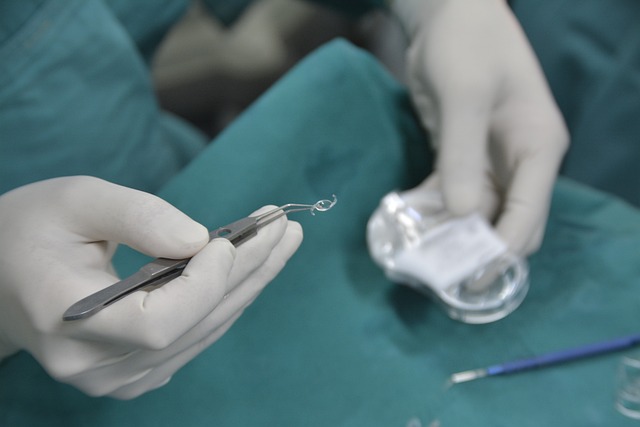
When it comes to surgical procedure instructions, precision and clarity are paramount. For patients in the UK who do not speak English as their first language, or for healthcare providers seeking to share these instructions with non-native speakers, the need for accurate translations cannot be overstated. In such critical contexts, relying on certified translation services that specialize in medical content is essential. These translation services for surgical procedure instructions UK are staffed by professionals who possess both linguistic expertise and a deep understanding of medical terminology. Their ability to convey complex information accurately across languages ensures patient safety and informed consent. It’s crucial to select providers with proven experience within the healthcare sector, as they will have the necessary credentials and a track record of delivering high-quality translations that meet industry standards. By choosing translation services that offer expertise in medical fields, healthcare professionals can communicate with confidence, knowing that their surgical procedure instructions are accurately understood by all parties involved. This not only fosters better patient outcomes but also upholds the integrity and reputation of the UK’s healthcare system.
Key Considerations for Translating Surgical Instructions: Accuracy and Cultural Nuances

The Legal Requirements for Certified Translations in the UK's Medical Sector
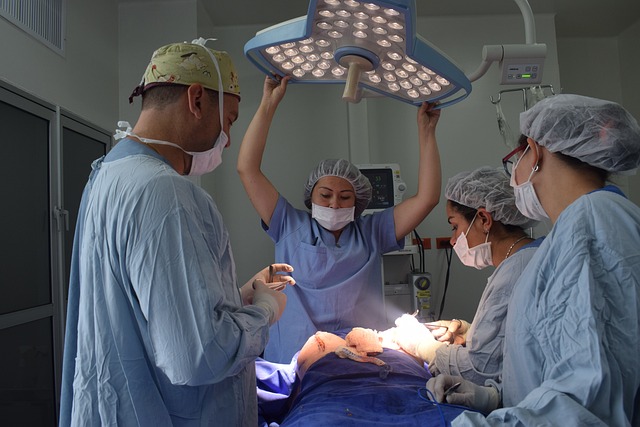
Case Study: Successful Implementation of Multilingual Surgical Procedure Instructions

When a healthcare facility or surgical team operates within a multicultural region like the UK, ensuring clear and accurate communication is paramount, especially during complex surgical procedures. A notable case study exemplifies the successful implementation of multilingual surgical procedure instructions through the use of professional translation services for surgical procedure instructions in the UK. In this instance, a major hospital identified the need to cater to a diverse patient demographic by providing them with surgical instructions in their native languages. By leveraging the expertise of specialized translation services, the hospital translated detailed surgical procedures into various languages, including but not limited to Polish, Urdu, and Mandarin. This initiative was instrumental in enhancing patient comprehension and adherence to pre-operative and post-operative care instructions, thus significantly reducing the likelihood of miscommunication and potential complications. The translation services provided not only accurate linguistic equivalents but also considered cultural nuances to ensure the instructions were both precise and culturally sensitive, thereby fostering an environment where patients from different backgrounds could receive care tailored to their language needs. This case study underscores the importance of employing professional translation services for surgical procedure instructions in the UK’s healthcare system to improve patient safety and outcomes.
Ensuring Patient Safety through Effective Translation of Surgical Guides and Manuals

When surgical procedures cross international borders, clear and accurate communication is paramount to ensure patient safety. This is where professional translation services for surgical procedure instructions in the UK become critical. Medical practitioners must have access to precise translations of surgical guides and manuals to navigate complex procedures effectively. The stakes are high, as any miscommunication or mistranslation can lead to adverse outcomes. It’s not just about converting text from one language to another; it’s about preserving the nuances of medical terminology, procedural steps, and critical safety information that could be life-saving.
Certified translations for surgical instructions are not a luxury but a necessity in our increasingly globalized healthcare landscape. These translations must adhere to strict standards, ensuring that the final document reflects the original text’s intent with complete accuracy. In the UK, where healthcare providers often interact with patients from diverse linguistic backgrounds, the role of professional translation services is pivotal. They offer a bridge for clear understanding and effective communication, thereby safeguarding patient safety by facilitating the precise transmission of surgical knowledge across language barriers.