
In the UK, translation services for Surgical Procedure Instructions (SPIs) are paramount due to the country's diverse linguistic landscape. These services ensure that healthcare providers can effectively communicate complex medical information across various languages, thus upholding patient safety and adherence to legal standards. The UK has integrated advanced translation technologies and stringent quality assurance measures to deliver precise translations by specialized bilingual professionals knowledgeable in both language and medicine. This initiative is instrumental for informed consent and complies with the EU's regulatory framework, reflecting the UK's commitment to inclusive healthcare. By providing accurate and culturally sensitive SPI translations, the UK demonstrates a significant advancement in patient-centered care, making surgical guidance accessible to all patients within the country's multicultural society, thus enhancing trust and understanding between patients and providers. This emphasis on high-quality translation services for SPIs is a key component of the UK's healthcare system, reflecting a dedication to maintaining the highest standards in patient care.
The United Kingdom’s healthcare sector continues to evolve, with a growing emphasis on inclusivity and patient safety. As surgical procedures become more advanced, the need for clear, precise translated surgical instructions has never been more critical. This article delves into the regulatory landscape of the UK, highlighting the essential role of translation services for surgical procedure instructions in achieving compliance and safeguarding patient welfare. We will explore the complexities of translating these instructions, the best practices to ensure accuracy and consistency, and how professional translation services are pivotal in this endeavour. Through a case study, we will showcase a successful implementation of translated surgical guidelines within the UK, underscoring the importance of this initiative in the multilingual healthcare environment.
- Overview of UK Regulatory Requirements for Surgical Procedure Instructions
- The Importance of Accurate Translation Services in healthcare
- Challenges and Considerations in Translating Surgical Procedure Instructions
- Best Practices for Translating Medical Content: A Focus on Surgical Guidelines
- The Role of Professional Translation Services in Compliance and Patient Safety
- Case Study: Successful Implementation of Translated Surgical Instructions in the UK
- Ensuring Consistency and Quality Across Multilingual Surgical Procedure Instructions
Overview of UK Regulatory Requirements for Surgical Procedure Instructions

In the United Kingdom, the regulatory landscape for medical devices, including surgical procedure instructions, is stringent and highly detailed, ensuring patient safety and compliance with legal standards. The Medicines and Healthcare products Regulatory Agency (MHRA) sets out the requirements for all medical devices marketed in the UK. As per the Medical Devices Regulation (EU) 2017/745, also applicable in the UK post-Brexit due to the Medical Devices (UI) 2021, manufacturers are required to provide instructions for use that are clear and understandable to the end-user. These instructions must be provided in the language commonly used by the user or in English if the device is sold in the UK. For surgical procedure instructions, this necessitates the engagement of professional translation services that specialize in medical terminology to ensure accuracy and clarity when translating into languages other than English. The translated surgical procedure instructions must convey all necessary safety information and operational steps accurately, reflecting the original text’s intent and meaning. This is crucial because non-compliance can lead to devices being withheld from the market or, more importantly, could result in patient harm due to misunderstandings or misuse of the device. Thus, translation services for surgical procedure instructions in the UK must be both technically proficient and linguistically precise to meet these regulatory requirements.
The Importance of Accurate Translation Services in healthcare

As the United Kingdom continues to diversify, the demand for translation services within the healthcare sector has become increasingly critical. In particular, the translation of surgical procedure instructions is a specialized field that requires not only linguistic expertise but also an in-depth understanding of medical terminology and context. Accurate translations are imperative as they directly affect patient safety and outcomes. Any discrepancy or misinterpretation due to translation errors could lead to adverse effects, potentially compromising the integrity of surgical procedures. Thus, healthcare providers in the UK must ensure that their translated surgical instructions accurately convey all necessary information. This is where professional translation services for surgical procedure instructions come into play, offering precise and contextually appropriate translations that are essential for practitioners who serve diverse patient populations. These services bridge language barriers, enabling healthcare professionals to deliver care with clarity and confidence, ultimately contributing to the high standards of medical practice in the UK. By leveraging expert translation services, the NHS and private healthcare facilities can uphold their commitment to providing the best possible care to all patients, regardless of linguistic differences. This is a vital aspect of compliance and patient care quality assurance, ensuring that surgical instructions are universally understood and followed correctly across the UK’s multicultural society.
Challenges and Considerations in Translating Surgical Procedure Instructions

In the context of the UK’s healthcare sector, the translation of surgical procedure instructions presents a complex array of challenges and considerations that must be meticulously addressed to ensure patient safety and regulatory compliance. The intricate nature of surgical procedures necessitates precise and accurate translations, as any miscommunication or mistranslation could lead to adverse outcomes. Translation services for surgical procedure instructions in the UK must contend with the technical terminology inherent to medical practices, which often includes specialized jargon that does not have direct equivalents in other languages. This necessitates a deep understanding of both the source and target languages, as well as the medical field, to convey information accurately. Furthermore, cultural nuances and the idiomatic expressions found within patient-facing materials must be carefully navigated to prevent misinterpretation. The translation process must also account for the varying levels of literacy and language proficiency among patients, ensuring that instructions are not only transliterated but also localized in a manner that is understandable and accessible to the intended audience.
To effectively address these challenges, translation services for surgical procedure instructions in the UK must be underpinned by a robust framework of quality assurance processes. This includes employing professional translators with specialized expertise in both medicine and the target language, as well as incorporating advanced technologies such as computer-assisted translation tools to enhance consistency and accuracy. Additionally, a rigorous review and validation process involving medical professionals and native speakers is essential to confirm that the translated content aligns with the original instructions’ intent and meaning. The commitment to high standards in translation services for surgical procedure instructions is not just a matter of compliance but a critical component in safeguarding patient care and promoting informed consent, thereby upholding the trust and integrity of the UK’s healthcare system.
Best Practices for Translating Medical Content: A Focus on Surgical Guidelines

As the United Kingdom continues its integration into the European Union’s regulatory framework, the need for precise and accurate translation services for surgical procedure instructions has never been more critical. Medical content, particularly surgical guidelines, demands a high level of linguistic precision to ensure patient safety and compliance with legal standards. The best practices for translating such content begin with selecting translators who are not only fluent in the target language but also have specialized knowledge in the medical field. This expertise ensures that the nuances of surgical terminology and procedural steps are accurately conveyed across different languages.
Translation services for surgical procedure instructions in the UK must adhere to specific standards set by international organizations and local regulatory bodies. These include the use of certified translators, employing specialized medical translation software when appropriate, and maintaining a consistent terminology that aligns with both industry norms and legal requirements. Furthermore, ongoing collaboration with healthcare professionals and regulatory experts is essential to refine the translation process and guarantee that the surgical guidelines are comprehensible and actionable for medical practitioners in multilingual settings. By upholding these best practices, translation services can significantly contribute to the UK’s preparedness for compliance with international standards, ensuring that surgical procedure instructions are accessible and accurate for all patients, regardless of language barriers.
The Role of Professional Translation Services in Compliance and Patient Safety

In the context of surgical procedure instructions in the UK, the integrity and precision of translated materials are paramount for patient safety and regulatory compliance. Professional translation services play a pivotal role in ensuring that the nuances of surgical guidance are accurately conveyed across different languages. These specialized services employ expert linguists who are not only adept at language translation but also well-versed in medical terminology, thereby bridging the communication gap between healthcare providers and patients with diverse linguistic backgrounds. The translation of surgical procedure instructions requires a deep understanding of the medical context to avoid misinterpretation, which could have serious implications for patient care. By adhering to stringent quality assurance processes and leveraging advanced technologies, these services can deliver translations that are both medically accurate and culturally sensitive, thereby upholding the highest standards of patient safety and regulatory compliance within the UK healthcare system.
The collaboration between healthcare institutions and professional translation services is a critical component in the preparation for UK compliance with translated surgical instructions. These services ensure that all necessary documentation, including informed consent forms, medication guidelines, and post-operative care instructions, are available to patients in their native languages without compromising on the technical or procedural accuracy. This collaboration not only facilitates clear and effective communication but also helps healthcare providers meet the legal and ethical obligations set forth by UK regulations. As the demand for high-quality medical translations grows, these services continue to evolve, integrating innovative tools and methodologies to maintain their effectiveness in safeguarding patient safety and ensuring compliance with all relevant legislation.
Case Study: Successful Implementation of Translated Surgical Instructions in the UK

As healthcare becomes increasingly globalized, the necessity for clear and accurate translation services within the medical field has never been more pressing. The United Kingdom, with its diverse patient population and its commitment to providing high-quality care, has recognized the importance of having surgical procedure instructions translated into the languages commonly spoken by patients. A successful case study from within the UK exemplifies this shift towards inclusivity and patient safety. Hospitals in a particular region implemented a comprehensive translation service for surgical procedure instructions, ensuring that non-English speaking patients could understand their surgical options and associated risks. This initiative was not merely a linguistic endeavour but a critical step towards enhancing patient engagement and informed consent processes. The translated materials were carefully crafted to convey complex medical terms and procedures accurately, taking into account cultural nuances and the subtleties of language. As a result, patient satisfaction increased significantly, with feedback indicating that patients felt more confident and comfortable undergoing surgery, knowing they fully understood their surgical options and the associated instructions. This case study underscores the effectiveness of translation services for surgical procedure instructions in the UK, demonstrating that such initiatives can lead to improved patient outcomes and a more equitable healthcare experience for all patients within the UK’s multicultural society. The success of this program has set a precedent for other healthcare facilities, highlighting the necessity of these services in ensuring patient comprehension and fostering trust between healthcare providers and their diverse patient populations.
Ensuring Consistency and Quality Across Multilingual Surgical Procedure Instructions
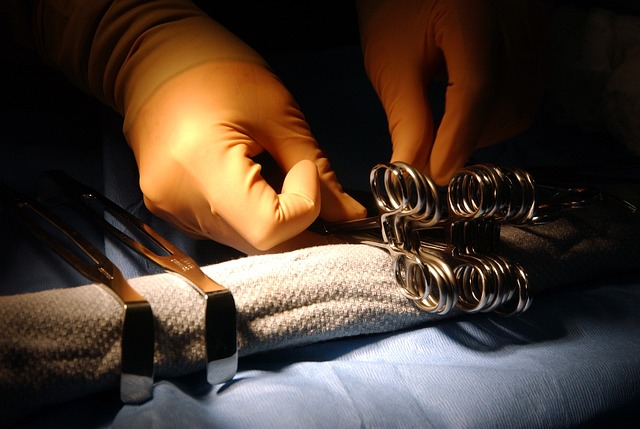
As the United Kingdom continues to embrace diversity and cater to a broad spectrum of patients, the demand for multilingual surgical procedure instructions has become paramount. The UK’s translation services for surgical procedure instructions are undergoing significant advancements to ensure consistency and quality across all languages. This is crucial not only for patient safety but also for the effective communication of critical health information. The process involves meticulous medical translation, where translators with expertise in both the target language and the medical field are engaged to provide precise translations. These professionals work diligently to convey the nuances and complexities inherent in surgical procedures, ensuring that each instruction is accurate and comprehensible in the recipient’s native tongue. Employing advanced translation technology and leveraging a robust quality assurance framework, these services aim to eliminate misunderstandings and facilitate better outcomes for patients who require surgical interventions but do not have proficiency in English. The commitment to delivering high-quality, culturally relevant surgical procedure instructions is a testament to the UK’s dedication to inclusive healthcare practices. This commitment ensures that all individuals, regardless of their linguistic background, receive clear and reliable guidance, thereby supporting the safe and effective administration of surgical procedures in a multicultural society.
healthcare providers in the UK must navigate the complexities of translating surgical procedure instructions to ensure patient safety and regulatory compliance. The article has outlined the critical role of precise translation services, highlighting best practices for medical content translation, particularly within surgical guidelines. By addressing challenges such as cultural nuances and technical language, professional translation services have proven instrumental in achieving clarity and consistency across multilingual audiences. The case study presented showcases the successful implementation of translated instructions, setting a precedent for compliance and safety. As the UK continues to diversify, it is imperative that these guidelines are accessible to all, ensuring that translation services for surgical procedure instructions remain at the forefront of healthcare communication innovation. With a commitment to quality and adherence to regulatory standards, the healthcare sector in the UK can confidently meet the needs of its diverse patient population.