
Translation services for Surgical Procedure Instructions UK are of paramount importance in ensuring patient safety and effective communication within the country's healthcare system. Given the linguistic diversity of the UK population and the critical nature of surgical instructions, these translation services must be precise, adhering to medical terminology, UK healthcare standards, and cultural nuances. They serve to accurately convey complex medical information between healthcare providers and patients who do not speak English as their first language, thereby improving trust, understanding, health outcomes, and patient satisfaction. These specialized translation services are essential tools for healthcare professionals in overcoming language barriers, facilitating clear communication, and upholding the highest standards of patient care and safety across surgical teams. They must be technically proficient, leveraging advanced technology like translation management systems, while also maintaining strict confidentiality and complying with data protection laws to protect sensitive medical communications. The role of these services is pivotal in mitigating risks associated with miscommunication and enhancing overall patient care outcomes within the UK's healthcare system.
When surgical procedures cross linguistic borders within the UK, effective communication is paramount. This article delves into the critical role of translation services for surgical procedure instructions, emphasizing the importance of clarity and accuracy across diverse languages. We will explore best practices for crafting surgical instruction documents that resonate with UK English’s nuances, ensuring patient understanding and safety. Additionally, we will guide you through selecting dependable translation services to facilitate clear guidance for surgical procedures in the UK’s multicultural landscape.
- Overview of Translation Services for Surgical Procedure Instructions in the UK
- The Importance of Clear and Accurate Surgical Instructions in Multiple Languages
- Best Practices for Creating Surgical Instruction Documents in UK English
- Selecting Reliable Translation Services for Surgical Procedure Guidance in the UK
Overview of Translation Services for Surgical Procedure Instructions in the UK

In the United Kingdom, where healthcare is a cornerstone of national provision, the need for clear and accurate translation services is paramount, especially when it comes to surgical procedure instructions. The deployment of high-quality translation services for surgical procedure instructions in the UK is critical to ensure patient safety and informed consent. These services bridge language barriers that patients may face, allowing healthcare providers to communicate effectively with individuals who are not native English speakers or prefer to receive information in their own language. This is particularly important given the UK’s diverse population, where a significant number of residents speak languages other than English at home.
The translation process for surgical procedure instructions must be precise and reliable, as it directly impacts patient understanding and outcomes. It involves not only converting text from one language to another but also ensuring that the nuances, technical terms, and medical jargon are accurately conveyed within the context of UK healthcare regulations. Professionally rendered translation services for surgical procedure instructions in the UK are equipped with medical lexicons and linguistic expertise tailored to the healthcare domain, guaranteeing that all patients, regardless of their language background, receive information that is both accessible and understandable. This level of precision is indispensable in fostering trust between healthcare professionals and patients, ultimately contributing to better health outcomes and patient satisfaction.
The Importance of Clear and Accurate Surgical Instructions in Multiple Languages
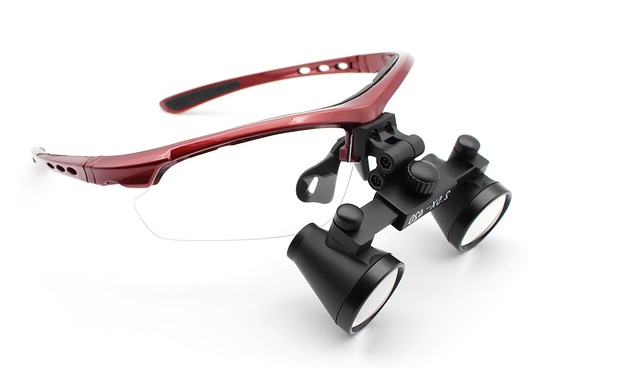
In the complex field of surgery, precision and clarity are paramount. When surgical procedures cross borders, clear communication becomes even more critical. The use of translation services for surgical procedure instructions in UK English is essential to ensure that these guidelines are understood accurately by all parties involved, regardless of their native language. Misinterpretations due to language barriers can lead to adverse outcomes or complications during surgery, which underscores the importance of having reliable and precise translations. Healthcare professionals must have access to high-quality translation services to convey surgical instructions effectively across different linguistic backgrounds within the UK’s diverse patient population. This is not merely a matter of convenience but a necessity for maintaining patient safety and delivering high-quality care that meets the standards set by medical institutions across the nation.
The demand for translation services in the healthcare sector, particularly for surgical procedure instructions, has grown significantly. With advancements in technology and translation algorithms, these services have become more reliable and efficient. However, it is crucial to ensure that the translations are not only technically accurate but also consider cultural nuances that may influence medical care. Surgical teams should collaborate with professional translation services that specialize in medical terminology to guarantee that all surgical instructions are conveyed accurately in UK English and any other language required within the UK’s multicultural environment. This level of due diligence is vital in promoting patient safety and facilitating better communication between healthcare providers and patients from diverse linguistic backgrounds.
Best Practices for Creating Surgical Instruction Documents in UK English

When crafting surgical instruction documents in the UK, clarity and precision are paramount to ensure patient safety and successful procedural outcomes. To align with the linguistic nuances of UK English, it is essential to avoid jargon that may not be universally understood and to employ terminology that resonates with both healthcare professionals and patients within the UK context. Utilising professional translation services for surgical procedure instructions in UK English can bridge communication gaps, particularly when instructions involve multilingual teams or international patients. These services should not merely translate text but also adapt the content to reflect local practices and terms, ensuring that the final document is both accurate and accessible.
To effectively communicate surgical procedures and expectations, the instruction documents must be clear, concise, and consistent with UK standards. The use of plain language and avoiding medical jargon without compromising on essential details is a fine balance that these documents must achieve. It is advisable to follow established guidelines, such as those provided by the National Institute for Health and Care Excellence (NICE) or the Royal College of Surgeons of England, which offer frameworks for effective communication in healthcare settings. By adhering to best practices and leveraging expert translation services for surgical procedure instructions UK, healthcare providers can enhance patient understanding and compliance, ultimately contributing to better postoperative outcomes.
Selecting Reliable Translation Services for Surgical Procedure Guidance in the UK

When surgical teams operate within the United Kingdom, clear communication is paramount, especially when translating surgical procedure instructions for patients who speak different languages. Selecting reliable translation services becomes a critical task to ensure patient safety and procedural accuracy. The translation services for surgical procedure instructions in the UK must not only convey the technical aspects accurately but also consider cultural nuances that could affect interpretation. It is essential to choose providers with expertise in medical terminology and a track record of working within healthcare environments. These services should offer certified translations, ensuring compliance with legal requirements, and provide interpretative support for pre-operative consultations, post-operative care instructions, and informed consent processes.
In the UK, the National Health Service (NHS) often interacts with a diverse patient population, necessitating translation services that can handle a wide array of languages with precision. The chosen translation service should possess advanced technology, such as sophisticated translation management systems, to facilitate efficient and accurate translations of surgical procedure instructions. Additionally, these services must be capable of maintaining confidentiality and adhering to data protection laws, given the sensitive nature of medical information. By ensuring that all patients receive instructions in a language they fully understand, healthcare providers can significantly reduce the risk of miscommunication and enhance patient outcomes.
In conclusion, clear and precise surgical instructions are paramount for patient safety and successful outcomes in the UK’s diverse medical environment. Utilising professional translation services tailored to UK English ensures that surgical procedure instructions are accurately conveyed across different languages, bridging communication gaps and upholding high standards of care. Adhering to best practices in document creation and partnering with reputable translation providers are essential steps for healthcare institutions to take when providing inclusive and effective patient guidance. By doing so, medical professionals can enhance patient understanding and trust, ultimately contributing to better health outcomes in a multicultural society.