
In the UK, where linguistic diversity is significant and surgical precision is paramount, translation services for Surgical Procedure Instructions are an essential component of patient care. These specialized services must accurately convey complex medical information in multiple languages while considering cultural nuances to ensure that patients fully understand their preoperative, operative, and postoperative care guidelines. The translation process demands expert knowledge of both medical terminology and the subtleties of language, ensuring that healthcare providers receive instructions that are not only medically accurate but also contextually appropriate for diverse patient populations. In the UK, these services are integral to maintaining high standards of healthcare delivery, facilitating successful clinical outcomes, and upholding ethical patient care practices. The translation services must be reliable, precise, and informed by the latest medical advancements, utilizing a synergy of human expertise and technological innovation to provide clear and actionable surgical instructions across languages, thereby enhancing patient safety and trust in the healthcare system.
Accuracy in surgical procedures hinges on clear, precise communication. This article delves into the nuances of translating surgical instructions, emphasizing the critical importance of translation services within the UK’s medical context. We explore the intricacies of surgical terminology, the challenges of technical jargon, and the necessity for culturally sensitive translations. By examining best practices and overcoming obstacles in multilingual documentation, we ensure that surgeons have access to reliable, consistent instructions, thereby enhancing patient safety and outcomes. Key considerations for selecting specialized translation services for surgical procedure instructions are also highlighted to guarantee the highest standards of precision and care in global medical communication.
- The Critical Role of Accurate Translation in Surgical Procedures
- Understanding the Complexity of Surgical Terminology in Translation
- Best Practices for Translating Surgical Procedure Instructions in the UK
- The Importance of Culturally Sensitive Translations in Medical Contexts
- Overcoming Challenges: Technical Jargon and Medical Nuances in Translation
- Ensuring Consistency Across Multilingual Surgical Documentation
- Selecting a Reliable Translation Service for Surgical Procedure Instructions in the UK
The Critical Role of Accurate Translation in Surgical Procedures

In the highly specialised field of healthcare, particularly within surgical procedures, the accuracy of communication is paramount. The translation of surgical procedure instructions in the UK, where patients and professionals may not all share a common language, presents a unique challenge that can have significant implications for patient safety and treatment outcomes. High-quality translation services for surgical procedure instructions are essential to ensure that medical staff and patients fully understand the nuances of preoperative, operative, and postoperative care guidelines. Any misinterpretation or mistranslation can lead to misunderstandings, errors, and potentially adverse events. Therefore, it is critical that these translations are not only linguistically correct but also medically precise, capturing the full context and intent of the original instructions. Translation services specialising in surgical procedures must employ experts who are proficient not only in language translation but also in medical terminology, ensuring a seamless bridge between healthcare providers and patients from diverse linguistic backgrounds. This level of precision is non-negotiable when it comes to maintaining the highest standards of patient care and promoting successful clinical outcomes.
The stakes are particularly high in surgical settings where the correct execution of procedures is time-sensitive and relies heavily on clear communication. In the UK, where a significant proportion of the population speaks English as a second language, the need for reliable translation services for surgical procedure instructions becomes even more critical. These translations must accurately convey technical terms, medical jargon, and complex instructions that are often culture-specific, thereby safeguarding patients from the risks associated with miscommunication. The role of these translation services extends beyond written documents; they also facilitate effective verbal communication during consultations, briefings, and throughout the surgical process, ensuring that all parties involved have a comprehensive understanding of the care plan. This commitment to accurate translation is not just a best practice but an essential component of ethical and effective healthcare delivery.
Understanding the Complexity of Surgical Terminology in Translation

Accurate translation is paramount, especially within the specialized field of surgical procedures. The complexity of surgical terminology presents a significant challenge for translation services. Surgical jargon often encompasses highly technical language that requires a deep understanding of medical science and context-specific knowledge. In the UK, where healthcare regulations and practices are distinct, the precision in translating surgical procedure instructions becomes even more critical. Mistranslations can lead to misunderstandings and potential complications during surgery, highlighting the importance of employing expert translation services with a proven track record in medical language translation. These services must not only possess linguistic proficiency but also a grasp of the nuances within surgical contexts to convey instructions accurately, ensuring patient safety and procedural efficacy across different languages and cultural backgrounds.
Best Practices for Translating Surgical Procedure Instructions in the UK
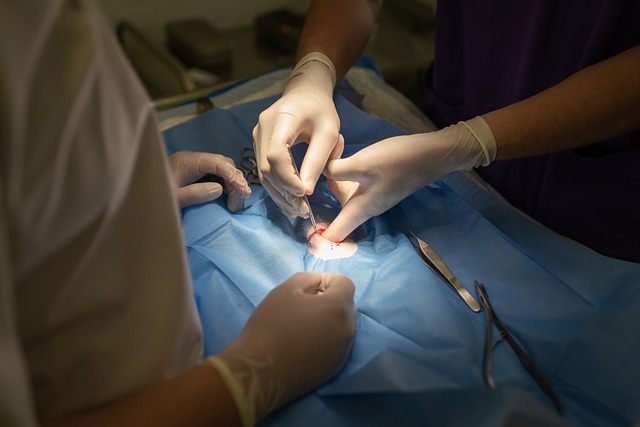
When translating surgical procedure instructions in the UK, precision and accuracy are paramount to ensure patient safety and successful outcomes. The translation services for surgical procedure instructions must adhere to the highest standards of medical terminology and linguistic nuance. Firstly, it is crucial to engage with professional translators who specialize in medical language, possess a deep understanding of surgical procedures, and are proficient in both the source and target languages. These experts should be well-versed in the clinical context, enabling them to translate complex terms and concepts accurately.
Moreover, collaboration with healthcare professionals within the UK is essential. Translators must work closely with surgeons, anaesthesiologists, and other medical staff to ensure that all instructions are conveyed correctly. This multidisciplinary approach facilitates a thorough understanding of the procedural nuances that may differ across various English-speaking regions, including the UK. Utilizing translation services for surgical procedure instructions that incorporate both medical expertise and local context knowledge minimizes the risk of miscommunication and ensures that the translated instructions are reliable and actionable for healthcare providers in the UK.
The Importance of Culturally Sensitive Translations in Medical Contexts

In the realm of medical care, particularly within surgical contexts, precision and clarity are paramount for patient safety and successful outcomes. When surgical procedure instructions are to be conveyed across linguistic barriers, the role of translation services becomes critical. In the UK, where cultural diversity is a hallmark of society, it is essential that these services provide culturally sensitive translations. Such sensitivity ensures that patients fully understand the instructions related to their post-operative care and the necessary precautions to take. This understanding is not just about conveying factual information; it encompasses the nuances of medical jargon, idiomatic expressions, and the cultural implications they may carry in different communities. Translation services that specialize in surgical procedure instructions must be adept at navigating these complexities to avoid miscommunication or misunderstanding, which could lead to adverse consequences for patient recovery and overall well-being.
The importance of culturally sensitive translations cannot be overstated in a medical context as it directly impacts the quality of care patients receive. In the UK, where a multitude of languages are spoken, translation services for surgical procedure instructions must go beyond mere linguistic accuracy to also consider cultural norms and values. This approach not only fosters patient trust but also promotes adherence to medical advice, as patients are more likely to follow instructions they fully understand in their native language. Consequently, healthcare providers that utilize such specialized translation services can expect improved communication with culturally diverse patient populations, leading to better health outcomes and a more inclusive healthcare environment.
Overcoming Challenges: Technical Jargon and Medical Nuances in Translation

In the realm of medical translation, the precision and accuracy of surgical procedure instructions are paramount. Translation services for Surgical Procedure Instructions in the UK must navigate complex technical jargon and delicate medical nuances to ensure that the translated text conveys the exact steps, precautions, and protocols as intended by the original document. The challenge lies in the specialized lexicon used in surgical fields, which often does not have a direct equivalent in other languages. This necessitates a deep understanding of both medical terminology and linguistic nuances on the part of translators. To address this, translation services must employ subject matter experts who are not only proficient in language but also well-versed in surgical practices. These experts work to bridge the gap between source and target languages, ensuring that the translated instructions accurately reflect the original content’s intent, tone, and technical specificity. This is crucial for maintaining patient safety and achieving optimal surgical outcomes across diverse linguistic communities within the UK.
Furthermore, the translation of surgical procedure instructions requires a commitment to continuous improvement and a robust quality assurance process. Translation services that specialize in this field must stay updated with the latest advancements in medical technology and surgical techniques to provide accurate translations. This involves the use of advanced translation technologies alongside human expertise, creating a symbiotic relationship between artificial intelligence and professional judgment. The result is a translation service capable of handling the intricacies of surgical language with the utmost precision, thereby supporting healthcare providers in delivering high-quality care to patients who require surgical interventions in multiple languages.
Ensuring Consistency Across Multilingual Surgical Documentation

The precision of surgical procedure instructions is paramount, particularly when they are to be used across different linguistic contexts within the UK. To maintain a high standard of patient safety and procedural clarity, translation services for surgical procedure instructions must ensure consistency across multilingual documentation. This is achieved through the implementation of robust translation protocols that account for both the medical terminology’s nuances and the cultural context in which these terms are used. By leveraging professional translators who are not only proficient in language but also trained in medical jargon, these services can provide accurate translations that reflect the original surgical instructions accurately. This consistency is crucial as it ensures that healthcare providers can rely on the translated material, leading to better outcomes and informed decision-making for patients whose primary language is not English. Furthermore, the use of advanced translation technologies coupled with human expertise allows for scalable solutions that maintain the integrity of the source material across a wide array of languages, making these critical instructions accessible to a diverse patient population in the UK.
In the realm of surgical procedure translations, the challenge lies in maintaining the original content’s technical accuracy and contextual relevance. Translation services for surgical procedure instructions in the UK must be adept at handling complex medical terminology while considering regional variations within the language itself. This is where specialized translation services excel, offering a tailored approach that involves not only linguistic expertise but also a deep understanding of the specific medical field. By utilizing a combination of skilled human translators and sophisticated translation technologies, these services can deliver high-quality, consistent translations that are essential for surgical teams to perform procedures safely and effectively across different language barriers. This commitment to precision in multilingual surgical documentation upholds the highest standards of care and contributes significantly to patient safety and satisfaction.
Selecting a Reliable Translation Service for Surgical Procedure Instructions in the UK

When it comes to surgical procedure instructions, precision and clarity are paramount, especially in a multilingual country like the United Kingdom. Selecting a reliable translation service that specializes in medical terminology is crucial for ensuring patient safety and effective communication among healthcare professionals. In the UK, where over 200 languages are spoken, the importance of accurate translations cannot be overstated. A trusted translation service for surgical procedure instructions must possess a deep understanding of both the source and target languages, as well as the specialized vocabulary inherent in medical contexts. It is imperative that such a service employs native-speaking linguists with expertise in the medical field to provide translations that are not only accurate but also culturally sensitive and appropriate for the UK’s diverse patient population. Additionally, these translation services should adhere to strict confidentiality and data protection standards, given the sensitive nature of surgical procedure information. By choosing a service with a proven track record in medical document translation, healthcare providers can confidently communicate critical instructions, protocols, and postoperative care guidelines across language barriers, thereby upholding the highest standards of patient care and safety.
In conclusion, the field of surgical translation demands utmost precision and expertise. The nuances of medical jargon and the cultural intricacies involved necessitate a translation service that is not only proficient in surgical terminology but also deeply knowledgeable about the contexts in which these procedures are performed. In the UK, where linguistic diversity is the norm, translating surgical procedure instructions accurately and consistently across multiple languages is paramount. The best practices outlined in this article underscore the importance of employing translation services that specialize in medical language and have a proven track record for delivering high-quality, culturally sensitive translations. This ensures that all patients, regardless of their native language, receive the same level of care and understanding during surgical procedures. By adhering to these guidelines, healthcare providers can uphold patient safety and enhance treatment outcomes, ultimately fostering a more inclusive and effective medical environment within the UK.